

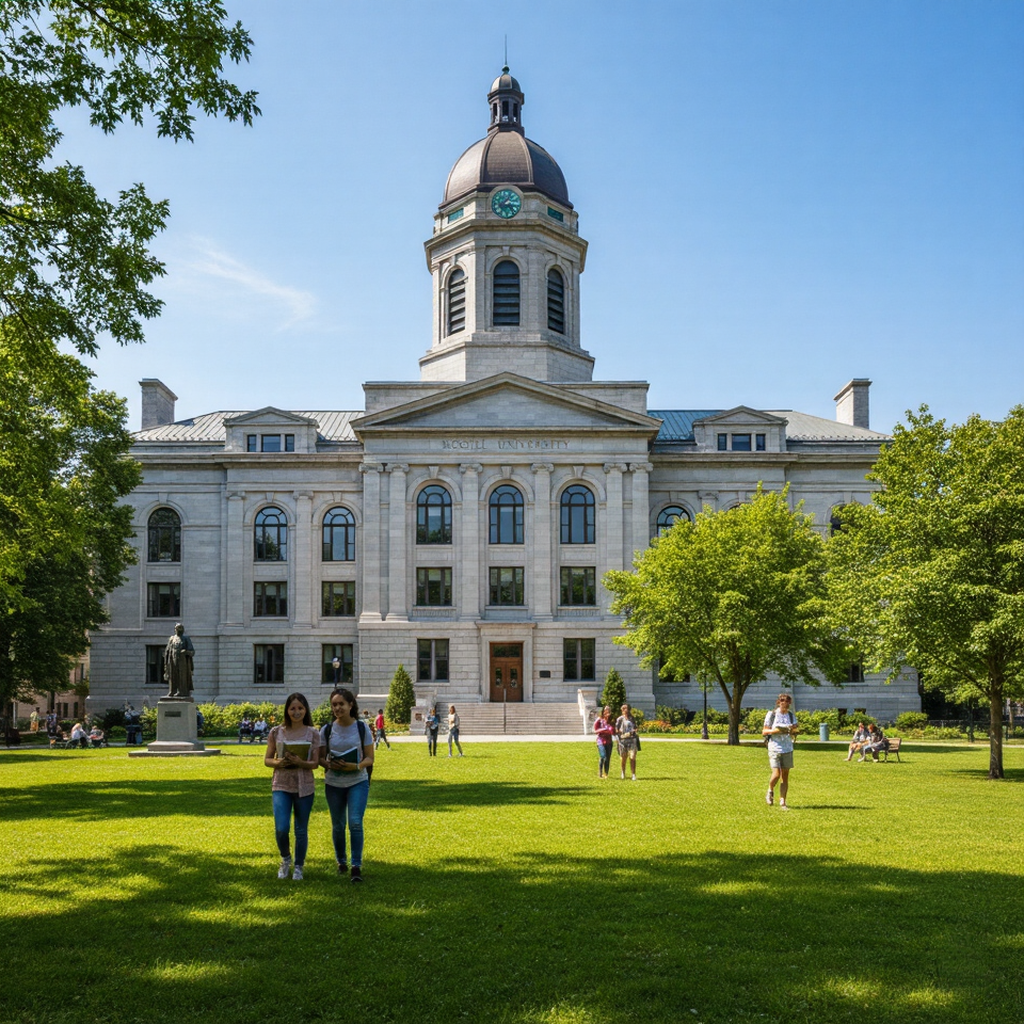
 Bon à savoir : Canada also offers excellent technical colleges (CEGEP in Quebec, community colleges in Ontario and British Columbia) that provide practical training leading quickly to employment or permanent residence.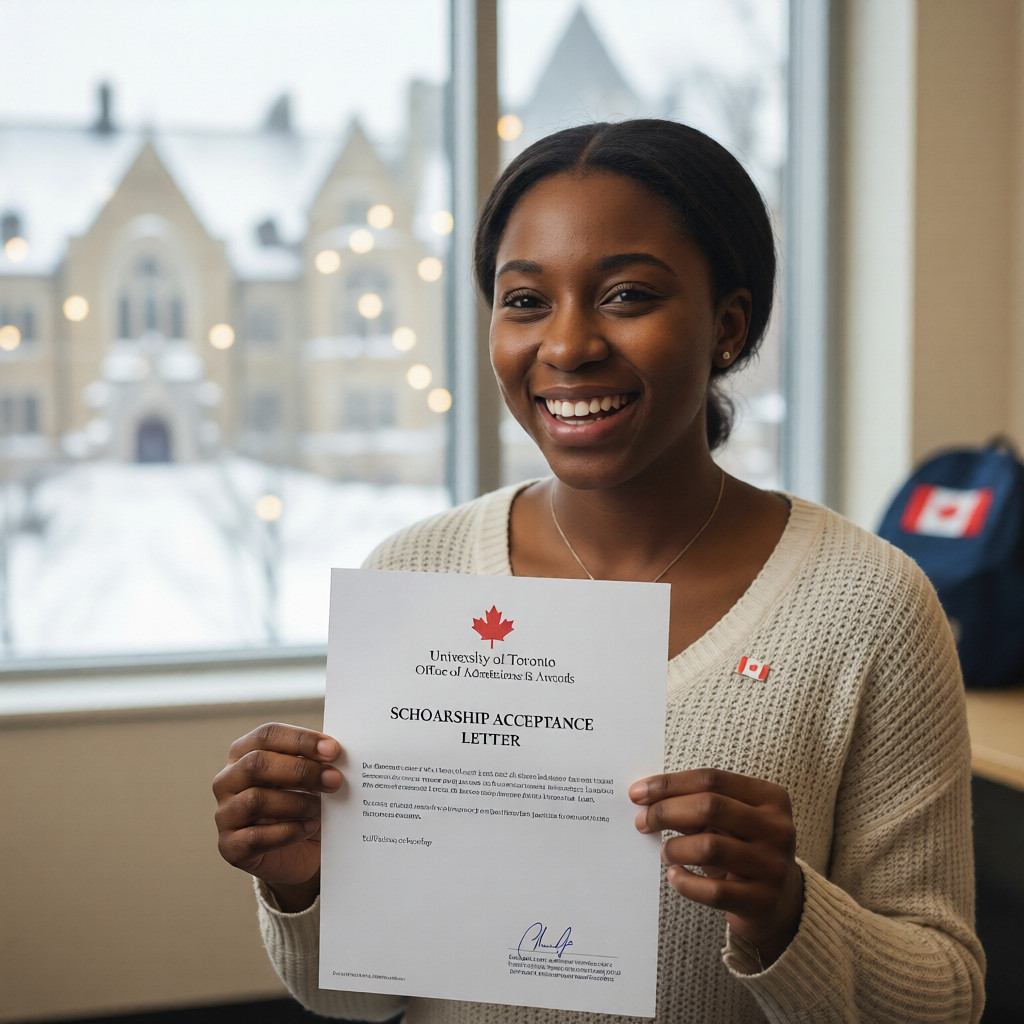



Frequently Asked Questions
Tuition fees vary considerably depending on the institution and program, ranging from CAD 10,000 to CAD 30,000 per year for international students. For living expenses, budget approximately CAD 15,000 to CAD 20,000 per year, including housing, food, transportation, and leisure activities. The cost of living in Montreal is generally more affordable (around CAD 1,300 per month) than in Toronto or Vancouver (CAD 2,300 to CAD 4,000 per month). Don't forget to factor in visa application fees (around CAD 150), biometrics fees (CAD 85), and mandatory health insurance (CAD 600-CAD 800 per year).
To obtain a study permit, start by creating an account on the Immigration, Refugees and Citizenship Canada (IRCC) portal. You will need to provide your letter of acceptance from a designated learning institution, prove you have sufficient financial resources (approximately CA$10,000 + tuition fees for the first year), submit a valid passport, and sometimes a medical certificate. Processing times vary from 4 to 20 weeks depending on your country of origin. To study in Quebec, you must first obtain a Quebec Acceptance Certificate (CAQ) before applying for your study permit. Plan to begin the process at least 6 months before the start of your studies.
University residences are a convenient option, located on campus with included services (internet, heating, water) for approximately CA$550-600 per month. Shared accommodation off campus offers more independence and can be more economical (CA$400-800 per month in Montreal, more in Toronto or Vancouver). Start your search well in advance, especially for the September intake when demand is high. Several specialized websites facilitate the search for student housing. If you opt for private accommodation, remember to purchase liability insurance to be covered in case of any problems.
Yes, international students can work up to 24 hours per week off campus during term time. During school breaks, you can work full-time for up to 180 days per year. To be eligible, you must be enrolled full-time at a designated learning institution and have a valid study permit. Many programs also include work placements that allow you to gain Canadian work experience. After graduation, you may be eligible for a post-graduation work permit, which can last up to three years depending on the length of your program.