

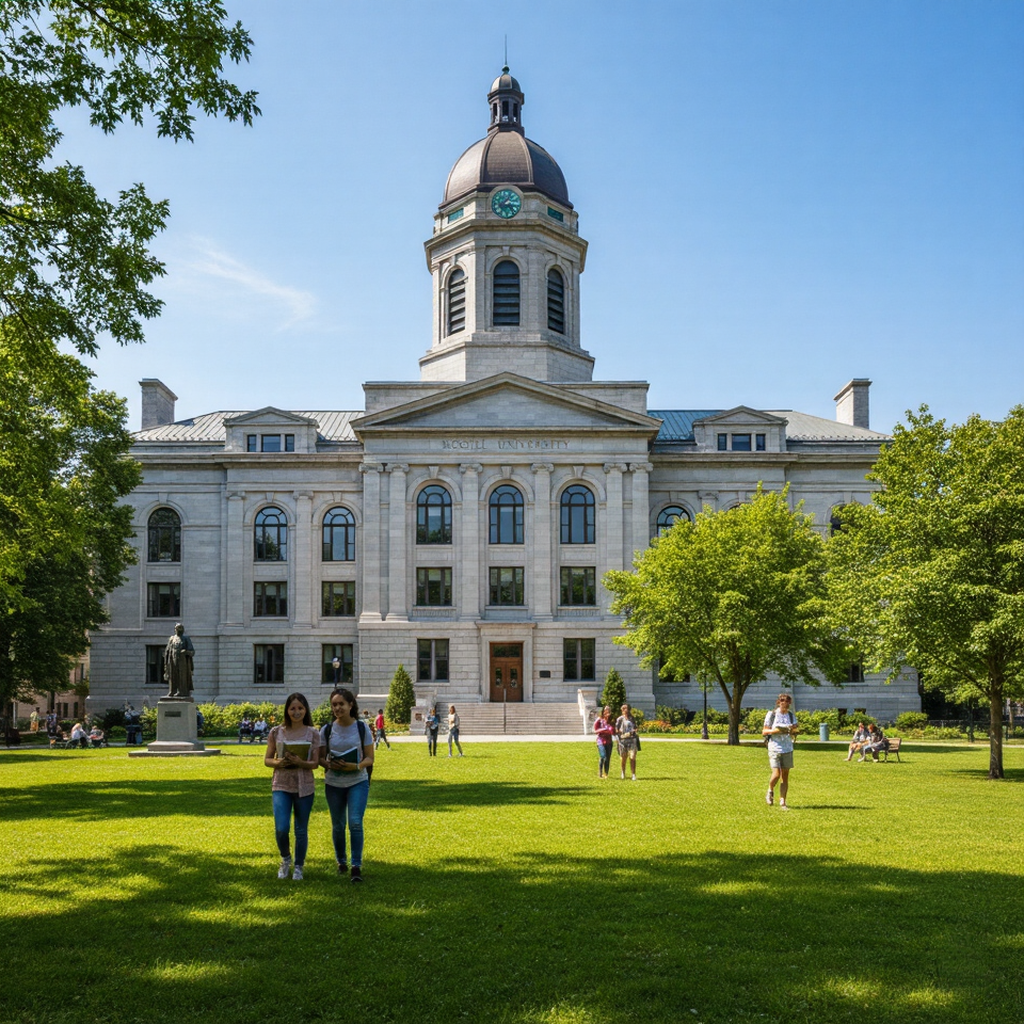
Studying in Canada

Studying in Canada: Your passport to an excellent education and an international career

Canada is one of the world’s most popular destinations for higher education. With its world-class universities, exceptional quality of life, innovative programs and immigration policy that is favourable to international students, Canada offers an unparalleled academic and professional experience.

Whether you wish to study engineering, health, business, humanities, or technology, Canada has everything you need to achieve your ambitions. NGABA CONSULTING GROUP (NCG) supports you every step of the way, from initial guidance to your arrival.

Choosing Canada for your studies means opting for a country that combines academic excellence, cultural openness, and concrete career prospects. Here are the main reasons why thousands of African and international students choose Canada every year.

A multicultural and welcoming environment

Canada is known for its cultural diversity and its inclusive environment. As an international student, you will be warmly welcomed and have the opportunity to meet people from all over the world. Cities like Toronto, Vancouver, Montreal, and Calgary are true cultural crossroads where it is good to live and study.

Innovative and recognized study programs

Canadian degrees are recognized and valued internationally.The programs are regularly updated to meet the needs of the global labor market, particularly in the areas of technology, artificial intelligence, health and sustainable development

L'Université de la Colombie-Britannique (UBC) à Vancouver est classée parmi les 40 meilleures universités mondiales.
L'Université McGill à Montréal figure régulièrement dans le top 30 des meilleures universités mondiales.

The best Canadian universities for international students

Canada boasts several institutions ranked among the best in the world. Here are the most popular with international students:

University of Toronto

Ranked among the 20 best universities in the worldThe University of Toronto is a centre of excellence in research, science, medicine and technology. It attracts students from more than 160 countries.

University of British Columbia (UBC) — Vancouver

UBC is renowned for its programs in environment, international business, and applied sciences. Its Vancouver campus, surrounded by mountains and the ocean, offers an exceptional living environment.

McGill University — Montreal

L’McGill University — Montreal is one of the most prestigious institutions in French-speaking Canada. It offers highly valued bilingual programs (French/English) for French-speaking African students.

💡 Bon à savoir : Canada also offers excellent technical colleges (CEGEP in Quebec, community colleges in Ontario and British Columbia) that provide practical training leading quickly to employment or permanent residence.
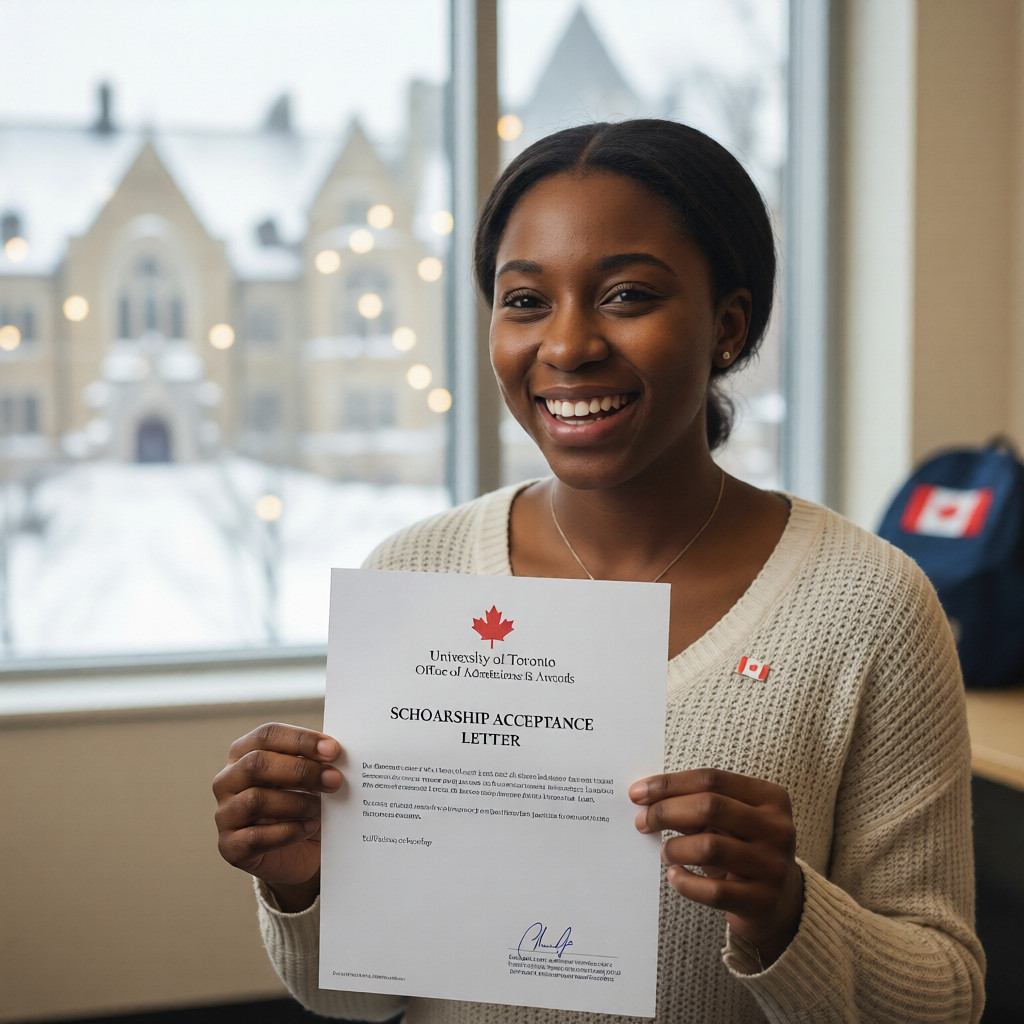


Competitive tuition fees and scholarships for international students

Tuition fees are more affordable than in the United States or the United Kingdom.

Compared to other popular English-speaking destinations, Canada offers significantly more affordable tuition feesAnnual fees for international students generally vary between 15 000 $ et 35 000 $ CAD depending on the university and the program, compared to often double that in the United States.

The main scholarships available

Numerous financial aid options are available to reduce the cost of your studies in Canada:

  • Canadian Government Scholarship Program (BCDI) : intended for students from developing countries.
  • Specific university scholarships : each institution offers its own funding programs.
  • Provincial scholarships Some provinces, such as Quebec, offer specific assistance to international students.
  • Sector-specific stock exchanges : available in fields such as AI, science or sustainable development
De nombreuses bourses sont accessibles aux étudiants africains et internationaux souhaitant étudier au Canada.

Working during and after your studies in Canada

Working during your studies in Canada

As an international student in Canada, you can work up to 20 hours per week during your studies and full-time during school holidays, without needing a separate work permit.

Le The Post-Graduation Work Permit (PGWP)

This is one of the major advantages of studying in Canada. Thanks to the The Post-Graduation Work Permit (PGWP)You will be able to stay in Canada after graduation and acquire a valuable Canadian professional experience — a key criterion for subsequently obtaining permanent residency via Express Entry.

A path to permanent residency

The experience gained through the PTPD opens the door to the permanent residence in Canada, in particular via the Programme de l’expérience canadienne (PEC) or the Provincial Nominee Program. Studying in Canada is therefore much more than a degree: it's a stratégie d’immigration complète.

Exceptional quality of life for students in Canada

Canada is consistently ranked among the world's best countries for quality of life. For students, this translates into modern campuses, well-equipped student residences, access to healthcare, efficient public transportation, and a rich cultural life.

Canadian landscapes also offer many outdoor activities: hiking, skiing, kayaking — a perfect balance between academic life and personal development. 

Combining vast spaces, North American lifestyle, and an open and welcoming population, Canada is distinguished for its exceptional quality of life and the excellence of its universities.In a beautiful natural environment, you will find a peaceful society where it is good to live and study.

How does NGABA CONSULTING GROUP (NCG) support you in studying in Canada?

At NGABA CONSULTING GROUP (NCG), we specialize in supporting African and international students who wish to study in Canada. Our team guides you every step of the way:

  • Program orientation and selection We help you identify the universities and courses that match your aspirations and academic profile.
  • Preparation of the admission file We assist you in writing your cover letter, preparing your letters of recommendation and providing official translations of your documents.
  • Obtaining a student visa (study permit) We simplify the administrative process so that you can obtain your study permit without stress or unnecessary delays.
  • Seeking scholarships and funding We help you identify and apply for the scholarships best suited to your profile to reduce the cost of your studies.
  • Integration into Canada We support you in your relocation — housing, health insurance, opening a bank account, transportation.

Of the Hundreds of students have already placed their trust in us.Thanks to our expertise and network, your study project in Canada becomes simple, accessible and secure.

Frequently Asked Questions

What budget should I plan for studying in Canada?

Tuition fees vary considerably depending on the institution and program, ranging from CAD 10,000 to CAD 30,000 per year for international students. For living expenses, budget approximately CAD 15,000 to CAD 20,000 per year, including housing, food, transportation, and leisure activities. The cost of living in Montreal is generally more affordable (around CAD 1,300 per month) than in Toronto or Vancouver (CAD 2,300 to CAD 4,000 per month). Don't forget to factor in visa application fees (around CAD 150), biometrics fees (CAD 85), and mandatory health insurance (CAD 600-CAD 800 per year).

How do I obtain a study permit for Canada?

To obtain a study permit, start by creating an account on the Immigration, Refugees and Citizenship Canada (IRCC) portal. You will need to provide your letter of acceptance from a designated learning institution, prove you have sufficient financial resources (approximately CA$10,000 + tuition fees for the first year), submit a valid passport, and sometimes a medical certificate. Processing times vary from 4 to 20 weeks depending on your country of origin. To study in Quebec, you must first obtain a Quebec Acceptance Certificate (CAQ) before applying for your study permit. Plan to begin the process at least 6 months before the start of your studies.

What are the accommodation options for international students?

University residences are a convenient option, located on campus with included services (internet, heating, water) for approximately CA$550-600 per month. Shared accommodation off campus offers more independence and can be more economical (CA$400-800 per month in Montreal, more in Toronto or Vancouver). Start your search well in advance, especially for the September intake when demand is high. Several specialized websites facilitate the search for student housing. If you opt for private accommodation, remember to purchase liability insurance to be covered in case of any problems.

Can I work while studying in Canada?

Yes, international students can work up to 24 hours per week off campus during term time. During school breaks, you can work full-time for up to 180 days per year. To be eligible, you must be enrolled full-time at a designated learning institution and have a valid study permit. Many programs also include work placements that allow you to gain Canadian work experience. After graduation, you may be eligible for a post-graduation work permit, which can last up to three years depending on the length of your program.

Ready to achieve your academic dream in Canada?

Don't let the administrative procedures discourage you. Contact NGABA CONSULTING GROUP today for a consultation and begin your academic adventure in Canada!

Footer – Ngaba Consulting Group